
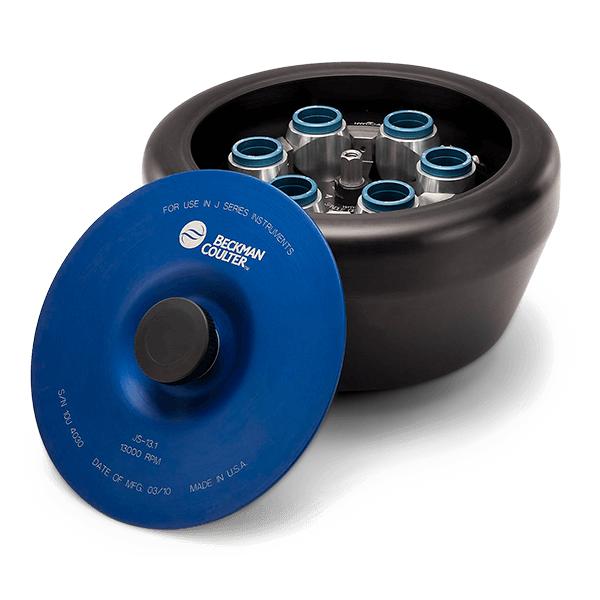
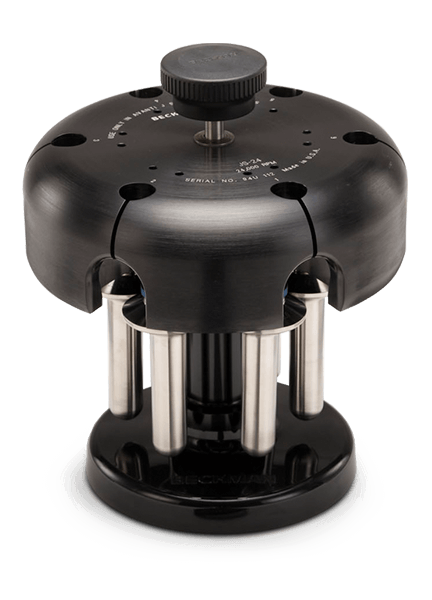
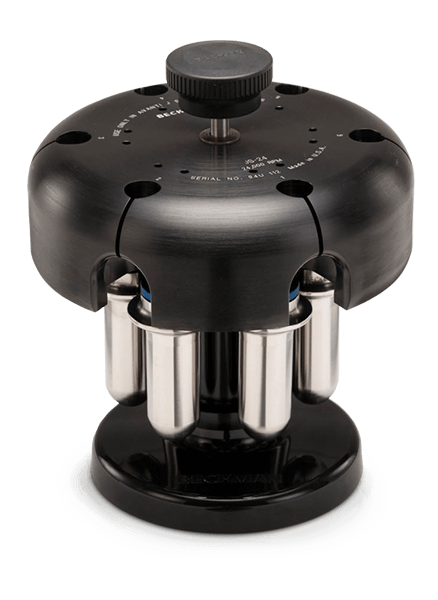
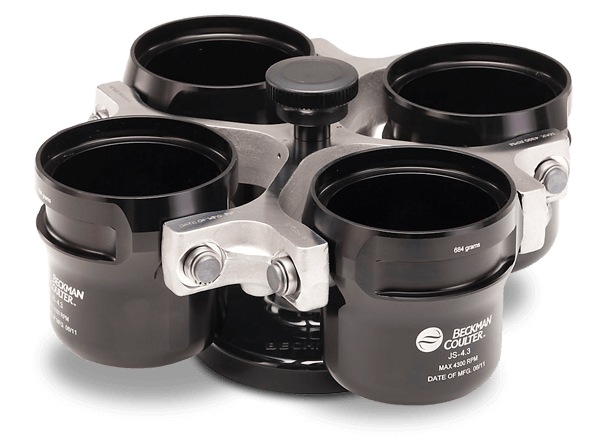
Rotors à godets oscillants
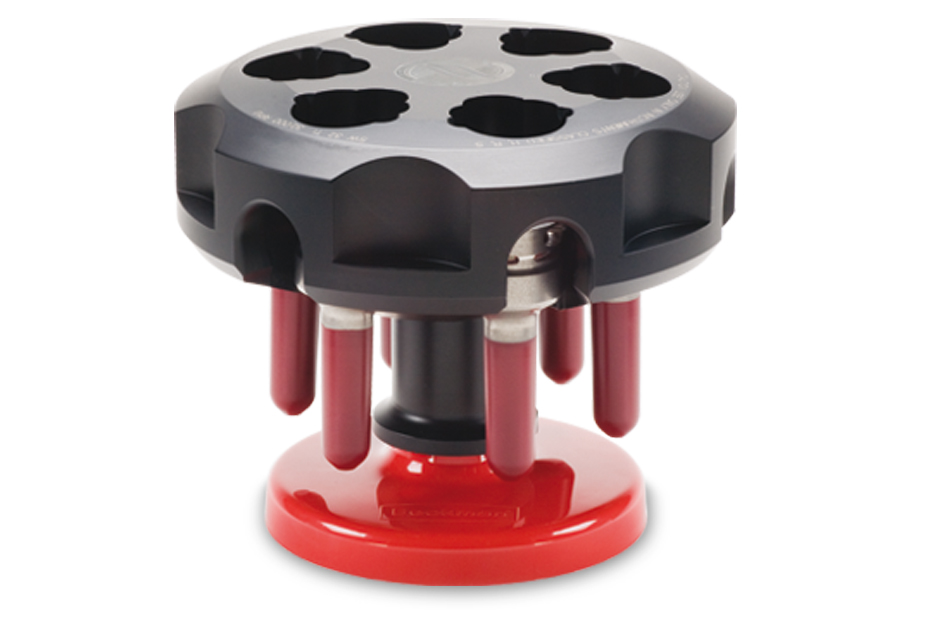
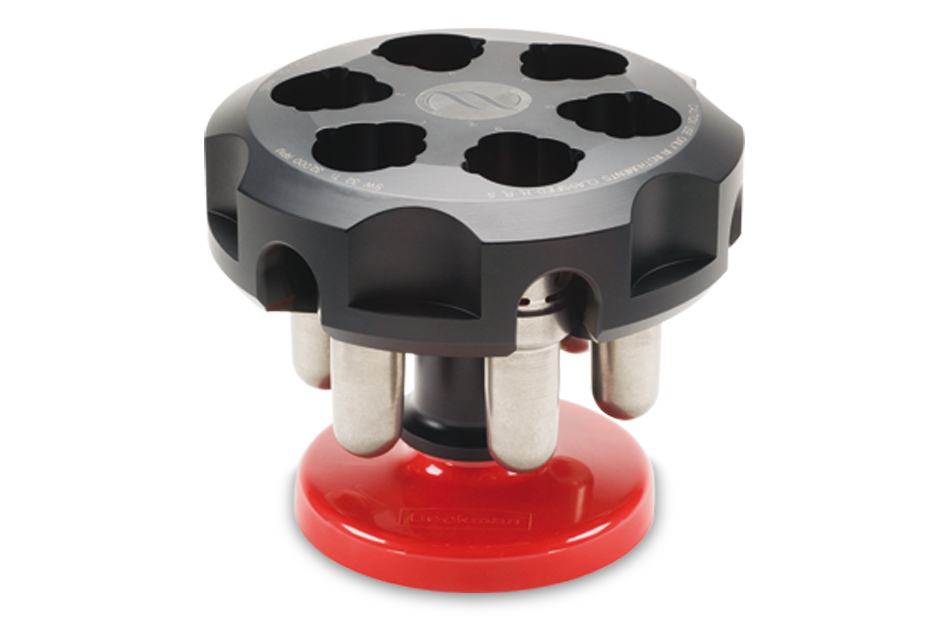
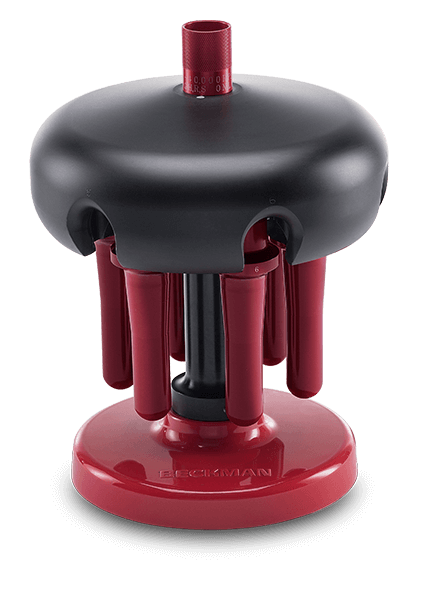
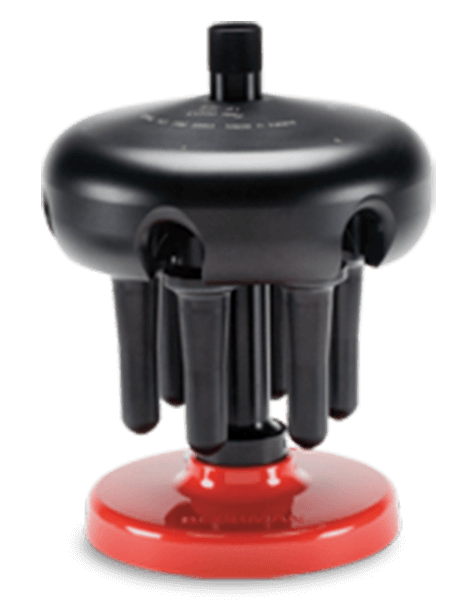
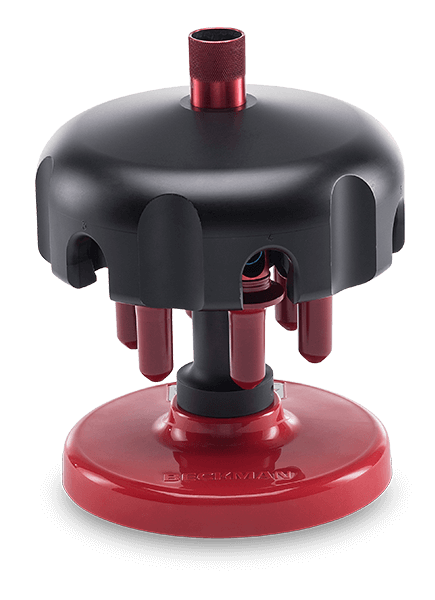
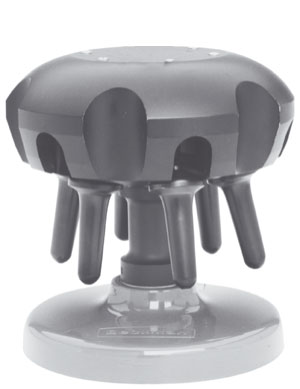
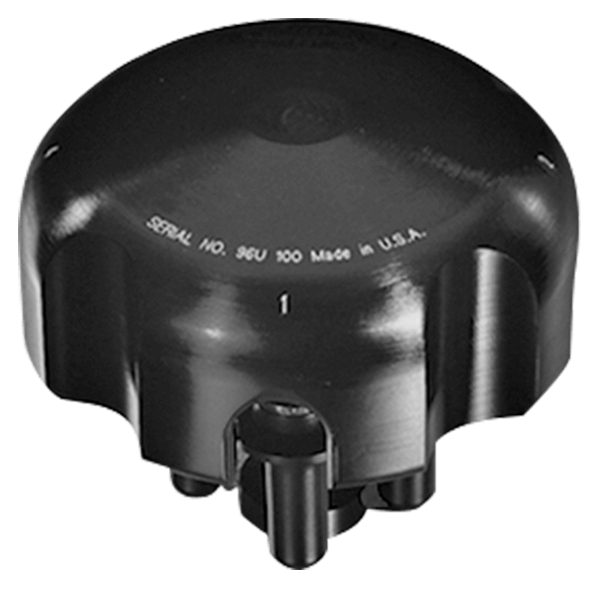
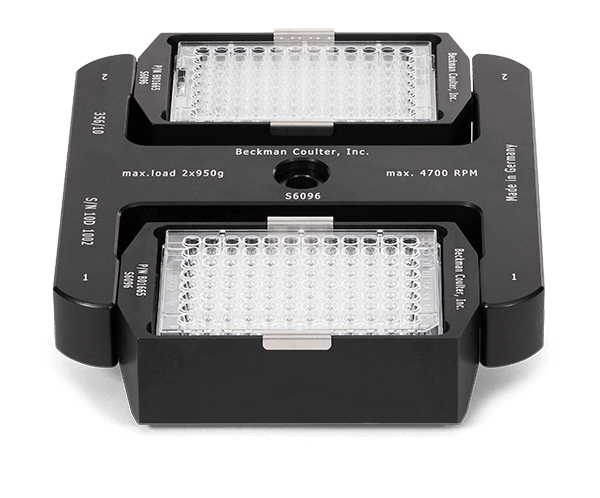
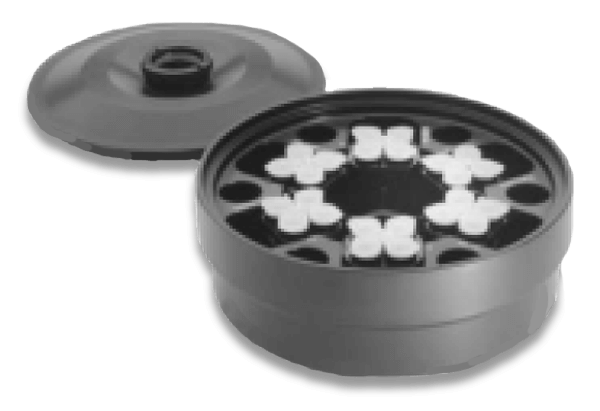
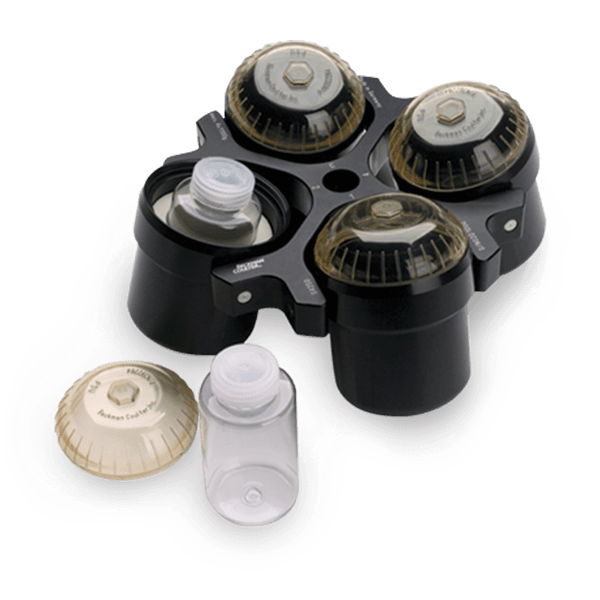
Le rotor de centrifugation à godet oscillant comporte une longueur de parcours complète, un temps de fonctionnement lent et une excellente résolution.Le rotor à godets pivotants permet au tube de changer d'angle pendant la course. Les godets sont verticaux lorsqu'ils sont arrêtés et horizontaux lorsqu'ils fonctionnent. La géométrie parallèle des godets oscillants permet à l'échantillon de se déplacer à travers les gradients de densité sans interruption, contrairement à la géométrie à angle fixe où l'échantillon frappe et frotte le mur, ce qui peut compromettre la séparation.
Idéal pour séparer des échantillons de gros volumes à faible vitesse et particulièrement utile lorsque les échantillons doivent être résolus dans les gradients de fréquence (densité).
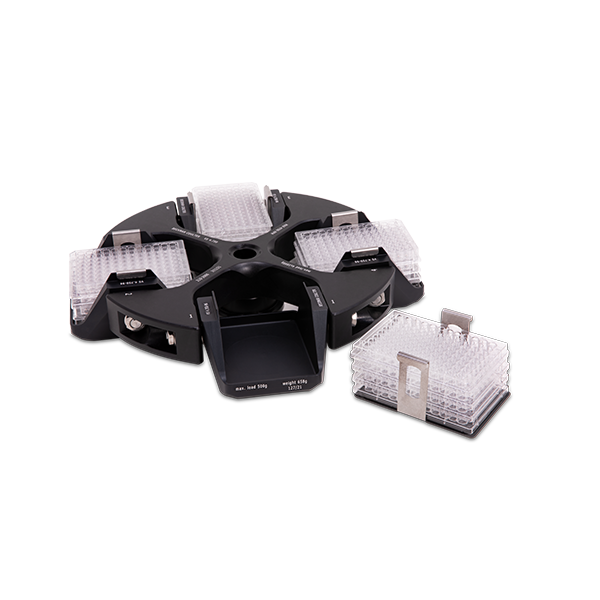
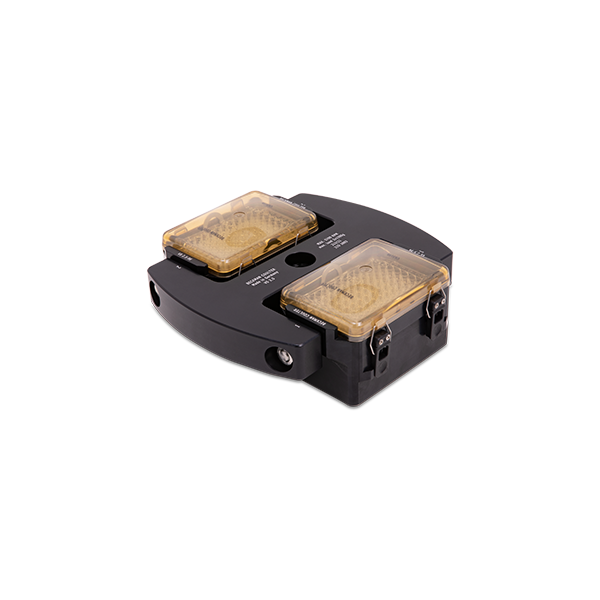
Les applications incluent le traitement de la culture des tissus, des protocoles à haut débit tels que la récolte de cellules entières à partir de la croissance, le traitement des tubes de collecte de sang et des moyens de séparation par zone zéro (c'est-à-dire en fonction de la taille ou de la masse).









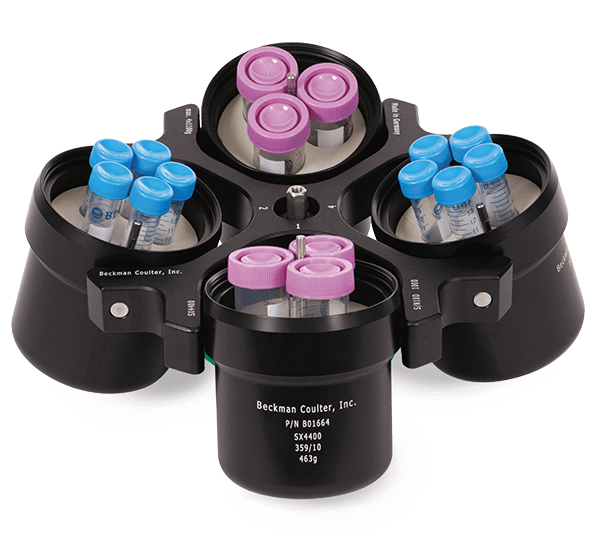


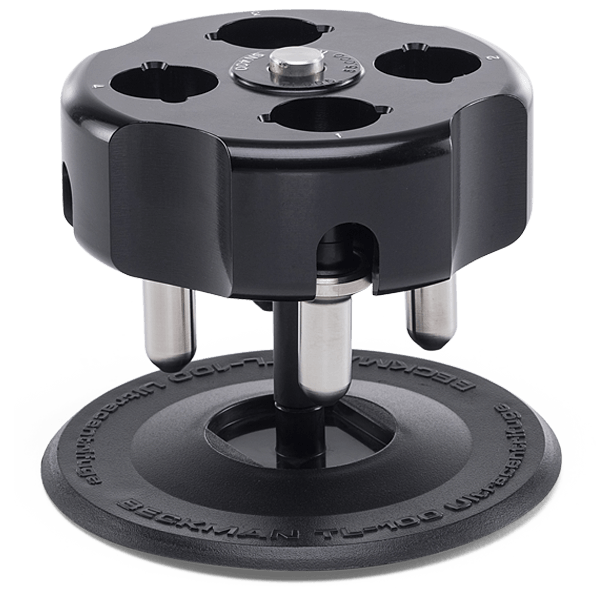

FAQ on Swinging-Bucket Rotors
Why use a swinging-bucket rotor for density gradient centrifugation?
Density gradient centrifugation requires samples to separate into distinct layers based on density. Because swinging-bucket rotors position tubes horizontally during operation, they help create uniform gradients and well-defined sample bands, making them a preferred choice for many gradient-based separation workflows.
What applications are swinging-bucket rotors commonly used for?
Swinging-bucket rotors are frequently used for density gradient centrifugation, blood processing, bioprocessing workflows, and when highly purified samples are required . They are often selected when maintaining sample integrity and achieving high separation quality are important.
How does a swinging-bucket rotor work?
In a swinging-bucket rotor, sample tubes begin in a vertical position and gradually move to a horizontal position during centrifugation. This orientation allows particles to travel evenly through the sample, making swinging-bucket rotors especially suitable for density gradient separations and applications that require distinct sample layers.
What is the difference between a swinging-bucket rotor and a fixed-angle rotor?
A swinging-bucket rotor holds samples horizontally during centrifugation, making it well suited for density gradient separations and applications that require well-defined sample layers. They can also be used for pelleting and result in the pellet forming at the very bottom of the tube. A fixed-angle rotor keeps tubes at a constant angle and is typically preferred for rapid pelleting applications. The best choice depends on the separation objective and sample type.
What is a swinging-bucket rotor?
A swinging-bucket rotor is a centrifuge rotor that allows sample buckets to pivot during centrifugation. As rotational speed increases, the buckets swing outward into a horizontal position, creating a consistent linear sedimentation path that supports efficient sample separation.
